Thinking about living in the Wynwood Art District? If you love color, creativity, and a walkable city vibe, this neighborhood grabs you from the first mural. At the same time, you might wonder what day-to-day life really feels like, how housing works, and what to expect with parking, transit, and costs. In this guide, you’ll get a clear look at housing options, lifestyle perks, practical tradeoffs, and how Wynwood compares to nearby Miami neighborhoods. Let’s dive in.
Wynwood at a glance
Wynwood began as a warehouse and industrial zone and transformed into a global street‑art hub through a deliberate arts redevelopment strategy. The opening of Wynwood Walls helped anchor the area’s identity and draw visitors year‑round, especially during major art events. Today you’ll find murals, galleries, studios, breweries, boutiques, and an energetic dining and nightlife scene.
Over the last decade, development has expanded from artist spaces to mixed‑use buildings, boutique hotels, and higher‑end retail and dining. That growth brings opportunity and rising rents, along with concerns about displacement for artists and legacy businesses. If you want a lively, creative pocket of Miami, Wynwood’s energy is hard to beat.
Housing options in Wynwood
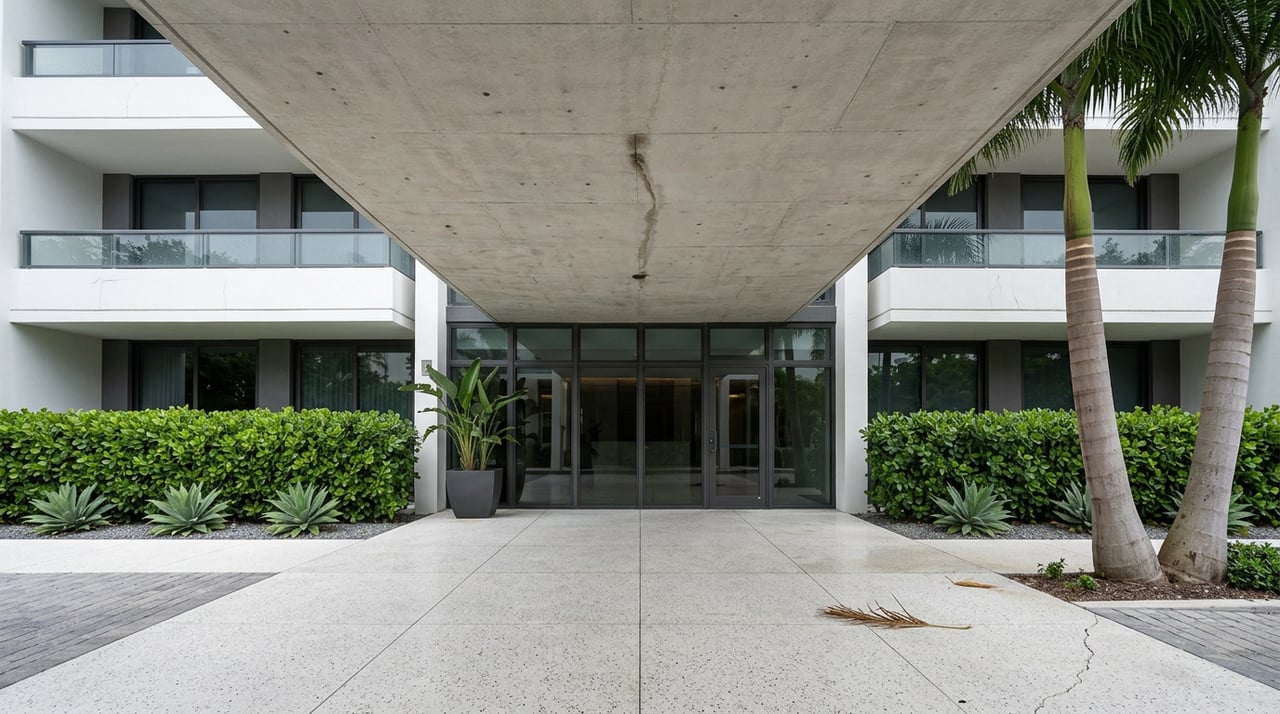
Wynwood leans urban and industrial, with many homes set in repurposed or newly built low‑ to mid‑rise buildings. You will see open‑plan layouts, large windows, and exposed finishes that nod to the area’s warehouse roots. Single‑family homes are limited in the core; you’ll find more traditional houses in adjacent neighborhoods.
Condos and loft conversions
For buyers, condos and loft conversions are the primary options. Newer buildings often include amenities like gyms and parking, and most condos have HOA fees. Buyers who value character will see a premium for unique loft features and location near the artistic core.
Rentals and leases
Renters will find short‑ and long‑term options, with many buildings marketed to young professionals and creatives. Expect industrial‑style finishes and layouts that favor open space over larger, family‑oriented floor plans. Turnover can be higher than in quiet residential areas, especially near popular nightlife blocks.
Townhomes and infill
You may also find townhouses and small infill projects on side streets. Inventory shifts as new projects deliver and others sell out. If parking or a bit more privacy is a priority, these smaller developments can be worth a look.
What it costs and key tradeoffs
Wynwood’s popularity drives pricing for both rentals and condo resales. HOA fees are common for condos, and some buildings charge for parking. Dining and entertainment costs trend higher than in quieter residential areas due to tourism and demand.
There are lifestyle tradeoffs to weigh. Noise and crowds are part of daily life, especially near Wynwood Walls and major restaurant corridors. Street parking is tight and metered in many areas, and event nights get busy. If you want a quieter setting, you may prefer a nearby neighborhood and visit Wynwood for fun.
Daily life and amenities
Arts and events
Wynwood Walls and the dense mural scene anchor a constantly changing arts landscape. Galleries, studios, pop‑ups, and seasonal events bring fresh energy throughout the year. If you like art walks, small exhibits, and creative retail, you will have no shortage of options.
Dining, breweries, and nightlife
You’ll find everything from casual taquerias and food‑hall concepts to chef‑driven restaurants and craft cocktail spots. Breweries and taprooms are a big part of Wynwood’s identity. Openings and closings can be frequent, so your favorites may rotate as the scene evolves.
Groceries and services
Inside the core, grocery options lean specialty or smaller-scale. Larger supermarkets and more extensive services sit near the borders in Midtown and Edgewater. Pharmacies, medical offices, and everyday errands are close, but you may head a few blocks out for the widest selection.
Fitness and pet life
Boutique gyms, yoga studios, and fitness concepts are common. Many buildings are pet-friendly, though rules vary by property. Dedicated dog parks are limited inside the core, so check building policies and nearby park access.
Getting around
Walkability and micromobility
Wynwood is highly walkable in the commercial core, with compact blocks and dense food, art, and retail. Sidewalks near major attractions get crowded, so plan extra time on busy nights. You’ll also see scooters, bike‑share, and private bikes for short trips.
Transit and rideshare
There is no Metrorail or Metromover station within Wynwood’s core. Miami‑Dade Metrobus and city trolley services have served the area, though routes and schedules can change. Most residents rely on rideshare, cycling, or a short bus or rideshare hop to rail hubs in Downtown or Brickell.
Parking realities
Parking is one of the biggest frustrations for residents and guests. Many buildings require paid parking or have limited assigned spaces. Meters, time limits, and event‑pricing are common, so check building policies before you sign a lease or make an offer.
Green space nearby
Parks inside the core are limited to pocket parks, plazas, and pedestrian corridors. For larger green spaces, residents often head to nearby areas like Margaret Pace Park in Edgewater or waterfront spaces around Downtown. Runners and walkers use those waterfront promenades for longer routes.
Safety, schools, and insurance
Wynwood is a busy nightlife and tourist district, so property crime can cluster around crowds and late‑night venues. You will see police presence and district security during major events. As with any urban area, visit at different times and follow common‑sense precautions.
Public K–12 options inside the core are limited. Many families look to nearby neighborhoods or consider private and charter choices across Miami. Always confirm school zoning and commute times directly with the school district.
Miami has elevated flood and storm risk, and flood insurance may be required in certain zones. Before buying or leasing, review FEMA flood maps, local elevation, and hurricane‑wind coverage details. Factor in HOA fees, potential parking costs, and commute expenses when you budget.
Wynwood vs nearby neighborhoods
Wynwood vs Brickell
Brickell is a high‑rise financial district with full‑service towers and a more formal residential feel. Wynwood offers a creative, lower‑rise vibe with more nightlife and murals, and it can be noisier on weekends.
Wynwood vs Midtown
Midtown features planned mixed‑use blocks with larger retail anchors and mainstream shopping. Wynwood leans more independent and arts‑driven, with galleries and experimental food and drink concepts.
Wynwood vs Design District
The Design District centers on upscale, curated retail and showrooms and can feel quieter off‑hours. Wynwood is more casual and street‑level, with dense murals and a lively bar and brewery scene.
Wynwood vs Edgewater
Edgewater offers waterfront condo towers and a quieter residential tone with easy park access. Wynwood trades waterfront views for cultural density and nightlife.
Wynwood vs Little Havana
Little Havana is more residential with deep historic roots and often lower housing costs. Wynwood’s tourism and arts draw push rents and commercial pricing higher.
Is Wynwood a fit for you?
Choose Wynwood if you want street art on your doorstep, constant cultural activity, and walkable dining and nightlife. It is a strong match for creatives, food‑lovers, and buyers or renters who value an edgy, urban feel. If you prefer quieter streets, larger parks, or a waterfront setting, consider Edgewater or Brickell and visit Wynwood often.
Smart next steps
- Visit at multiple times: weekday morning, evening, and a weekend event. Notice noise levels and parking.
- Confirm parking and HOA rules with each building, including fees and guest parking.
- Review FEMA flood maps, building elevation, and hurricane coverage requirements.
- Check local crime data and event calendars to understand patterns and late‑night activity.
- Verify school zoning and plan school commute options in advance.
- Test your commute to Downtown, Brickell, or Miami Beach at your typical travel times.
If you are weighing Wynwood against nearby Miami neighborhoods, you do not need to decide alone. Connect with a local team that knows both urban condos and broader South Florida moves. For clear guidance, bilingual support in Spanish or German, and a smooth process from search to closing, reach out to The Tello Team.
FAQs
Is Wynwood a good place to live for first‑time renters?
- Yes, if you want a lively, walkable scene with art, dining, and nightlife close by. If quiet evenings and easy parking matter most, consider nearby alternatives.
How does commuting from Wynwood work without rail service?
- Most residents walk or bike for short errands, then use bus, trolley, or rideshare to reach Downtown or Brickell rail hubs for longer trips.
What should condo buyers watch for in Wynwood?
- Review HOA fees, parking availability and cost, building rules, and flood and insurance requirements before making an offer.
Are there family‑friendly housing options in Wynwood?
- Options exist, but floor plans skew toward smaller units and lofts. Families often look to Edgewater or Brickell for larger amenities and easier park access.
How is parking for residents and guests in Wynwood?
- Parking is limited and often paid or assigned in buildings. Expect metered street parking, time limits, and higher event pricing on busy nights.
Does Wynwood flood during storms?
- Miami has areas of flood risk. Always check FEMA flood maps and property elevation and confirm whether flood insurance is required for your building.
How does Wynwood compare to the Design District for daily life?
- The Design District is upscale and quieter off‑hours, while Wynwood is more casual and event‑driven with murals, breweries, and nightlife in closer reach.