Ready to buy your first home in Miramar but not sure where to start? You are not alone. Between HOA rules, insurance quotes, flood maps, and Florida’s closing costs, the process can feel like a maze. This guide breaks it down step by step with local tips, timelines, and the exact checkpoints you should follow to close with confidence. Let’s dive in.
Miramar market snapshot
As of early 2026, major trackers show Miramar’s typical home value in the low to mid $500s. One provider reports a median sale price around $532,500 with homes taking roughly 90 days to sell. Another index places the typical value near $511,915. Owner-occupancy in the city sits around 68–70% with median owner values in the mid $400s, according to U.S. Census QuickFacts. Prices and days on market vary by neighborhood, property type, and HOA presence, so focus on recent comps at the subdivision or condo level.
Budget and pre-approval
Start with a written mortgage pre-approval. It sets your price ceiling and strengthens your offer. Build your budget with Florida-specific closing costs, which often total 2–5% of the purchase price depending on your loan. Florida’s documentary stamp and intangible taxes are standard line items at closing. The state’s current rates are outlined by the Florida Department of Revenue: $0.70 per $100 on deeds, $0.35 per $100 on mortgages, plus a nonrecurring intangible tax of 0.002 per $1 of the new loan. Review the full schedule on the Florida Department of Revenue’s doc stamp page.
Also plan for homeowner’s insurance and, if required, flood insurance. In South Florida, premiums can vary based on roof age and wind-mitigation features. Get quotes early to confirm monthly affordability.
Neighborhoods and property types
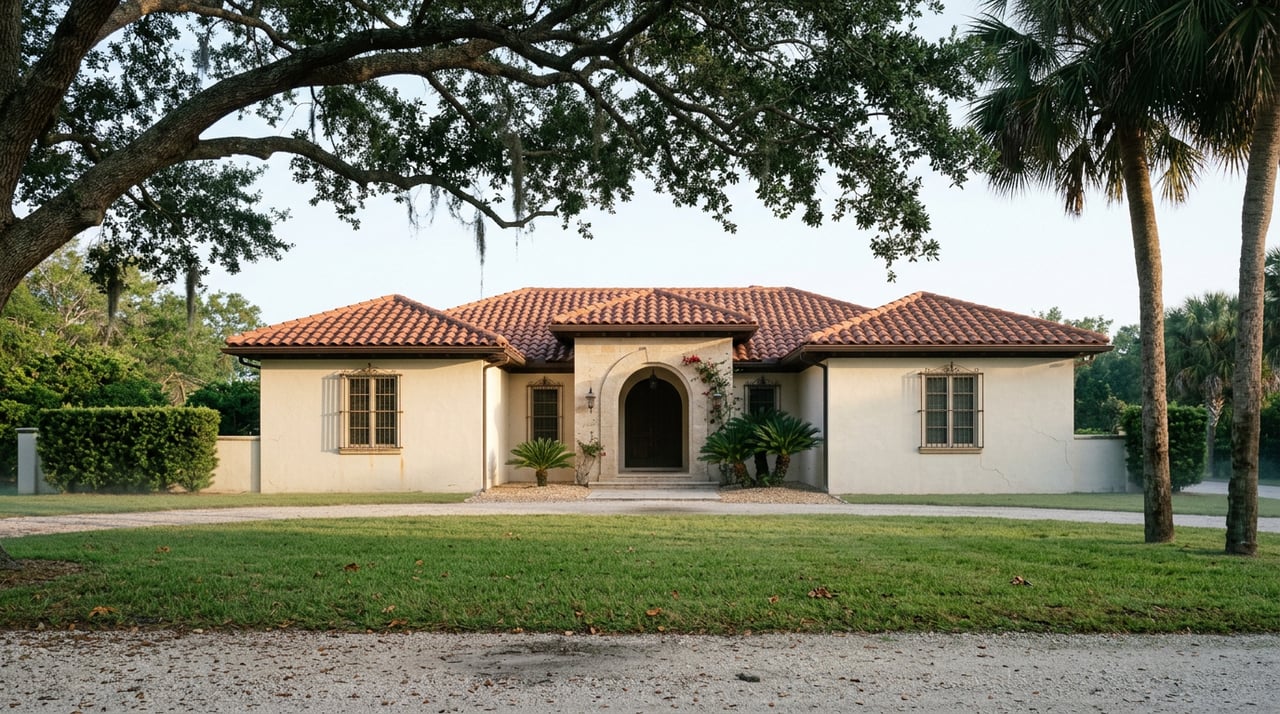
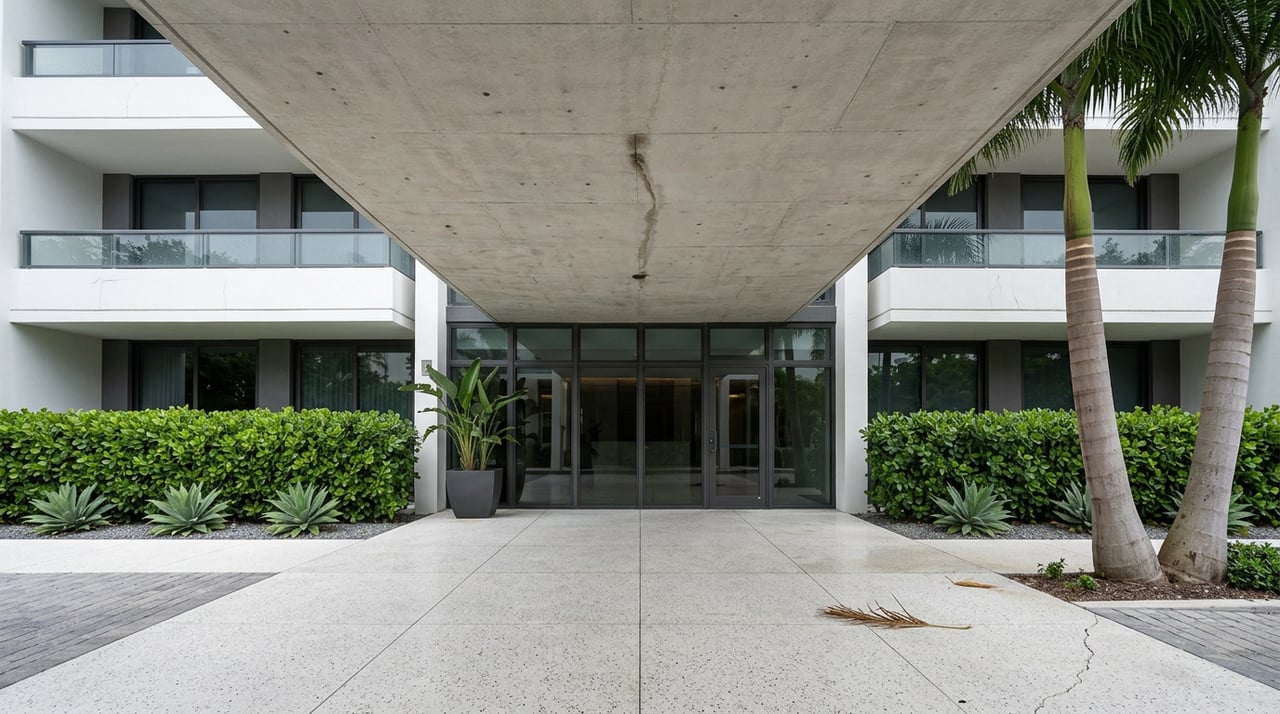
Decide whether you prefer a single-family home or an attached option like a townhome or condo. Many Miramar communities have HOAs, which set rules and charge assessments for shared amenities and maintenance. If a property is in an association, ask for the budget, reserve details, insurance summary, and meeting minutes. Read these documents before you finalize your inspection decisions and closing timeline.
Write a strong offer
Your offer should include standard protections: inspection, financing, and clear title. On Florida’s commonly used Florida Realtors/Florida Bar contract, the default inspection period is 15 days unless negotiated otherwise. You can review contract guidance in this Florida Realtors/Florida Bar preparation manual. Pair your offer with an up-to-date pre-approval letter and realistic timelines for appraisal and closing.
Inspections and HOA due diligence
Schedule your general home inspection right away, then layer in specialized inspections as needed, such as roof, WDO, HVAC, and a 4-point inspection. If the home is in an HOA or condominium, request the estoppel/resale certificate, current budget, and recent minutes immediately after acceptance. Florida law regulates HOA estoppel timing and fees; review the HOA statutes in Florida Statutes Chapter 720 and confirm the association can deliver documents quickly.
Check flood exposure early. Use the Broward County Flood Zone Maps to see local designations and confirm details with the FEMA Flood Map Service Center. If a property sits in a Special Flood Hazard Area, most lenders will require NFIP coverage.
Insurance markets can shift. If the current policy is with Citizens, compare private quotes and ask how wind-mitigation features could reduce premiums. For market context and updates, see Citizens Property Insurance news.
Appraisal, underwriting, and closing
After you are under contract, your lender orders the appraisal and starts full underwriting. A typical financed deal in Miramar takes about 30–45 days from contract to close, depending on appraisal scheduling and lender turn times. Respond quickly to lender requests to protect your timeline. At closing, you will wire your down payment and closing costs, sign loan and title documents, and confirm state transfer taxes are correctly calculated. This includes the deed documentary stamps, mortgage documentary stamps, and the nonrecurring intangible tax described above.
Property taxes and homestead
Plan for Broward County property taxes in your monthly budget, and apply for Florida’s homestead exemption after you close. Homestead can reduce your taxable value and cap assessment increases under Save Our Homes. Filing deadlines matter, so review the how-to resources on the Broward County Property Appraiser’s homestead page.
Down payment help in Broward
If you meet the income and program guidelines, Broward County’s Home Buyer Purchase Assistance (HPA) can help with a deferred 0% second mortgage. Funds are limited and processed on a first-qualified basis, and you must use a participating lender and complete buyer education. Have your lender check eligibility early on the Broward County HPA page.
8-week buyer timeline
- Week 0–1: Get pre-approval and set your budget. Shortlist neighborhoods and property types.
- Week 1–8: Tour homes and refine your search. Submit offers when the fit is right.
- Day 0: Offer accepted and contract becomes effective. Share your pre-approval and start loan disclosures.
- Days 0–15: Inspection period. Order general and specialized inspections. Request HOA/condo estoppel and documents. The standard Florida contract defaults to a 15-day window unless changed. See the Florida Realtors/Florida Bar manual for context.
- Days 7–30: Lender orders appraisal. Upload requested documents promptly. Start homeowners and flood insurance quotes.
- Closing week: Review closing disclosure, wire final funds, confirm HOA transfer steps, utilities set-up, and homestead filing plan.
Buyer checklist
- Pre-approval letter and proof of funds for your escrow deposit.
- Photo ID, Social Security number, recent paystubs, and tax returns for underwriting.
- Home inspection scheduled immediately after contract acceptance.
- Request HOA/condo estoppel, budget, insurance summary, and minutes.
- Insurance quotes for homeowner and flood (if in SFHA).
- Check the Broward County Flood Zone Maps and the property’s tax and exemption status with the Broward Property Appraiser.
Utilities and move-in
Miramar operates its own water and wastewater utility. Confirm service coverage for your address and set up your account through the City of Miramar Utilities. Ask your title company about any municipal or solid-waste assessments that may appear on your tax bill.
Ready to buy in Miramar?
You deserve a calm, well-coordinated first purchase. Our team pairs hospitality-level service with deep local experience in Miramar and Southwest Broward. With 2,000+ homes sold and multilingual support in Spanish and German, we can guide you from pre-approval to clear-to-close without surprises. When you are ready, reach out to The Tello Team for step-by-step help tailored to your goals.
FAQs
What is the average home price for first-time buyers in Miramar in 2026?
- As of early 2026, major trackers show typical values around $511,915 to a median near $532,500; conditions vary by neighborhood and property type, so use recent local comps.
How long does it take to close on a Miramar home?
- Most financed purchases close in about 30–45 days from contract, with a national average around 44 days; appraisal scheduling and lender turn times can speed up or slow down your timeline.
What closing costs and taxes should I expect in Florida?
- Budget 2–5% of the price for closing costs; Florida’s taxes typically include deed stamps at $0.70 per $100, mortgage stamps at $0.35 per $100, and a nonrecurring intangible tax of 0.002 per $1 of the new loan, plus title, recording, and any HOA estoppel fees.
Do I need flood insurance in Miramar?
- If the property is in a Special Flood Hazard Area, lenders usually require NFIP coverage; check the Broward County flood map and verify details on FEMA’s map service, and order a flood zone determination during escrow.
What is an HOA estoppel certificate in Florida?
- It is an association document that confirms fees, assessments, and compliance; Florida law sets timelines and fee rules for HOAs, and obtaining it early helps prevent closing delays.
How does Broward homestead help new owners?
- After closing, apply for the homestead exemption to lower your taxable value and benefit from Save Our Homes assessment caps; review filing steps and deadlines on the county property appraiser site.