Trying to picture what day-to-day family life looks like in Pembroke Pines? You want room to grow, dependable school options, and easy weekend fun without long drives. You also want a commute that works and a home that fits your budget. In this guide, you’ll get a clear view of schools, parks, youth sports, and commute patterns so you can decide if Pembroke Pines aligns with your family’s goals. Let’s dive in.
Pembroke Pines snapshot
Pembroke Pines is a large, suburban city in western Broward County with a mostly residential feel. You’ll find a mix of master-planned communities, townhome and condo clusters, and older single-family neighborhoods. Many buyers choose this area for its space, neighborhood amenities, and access to nearby job centers.
Home types and neighborhoods
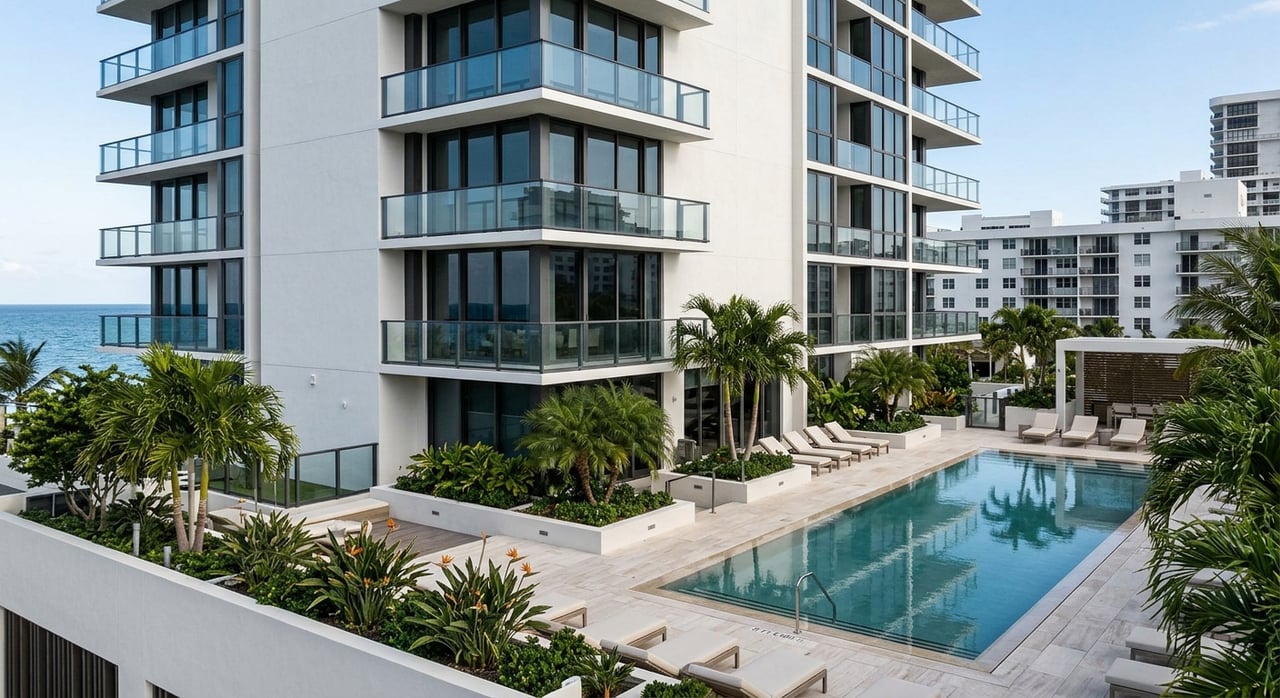
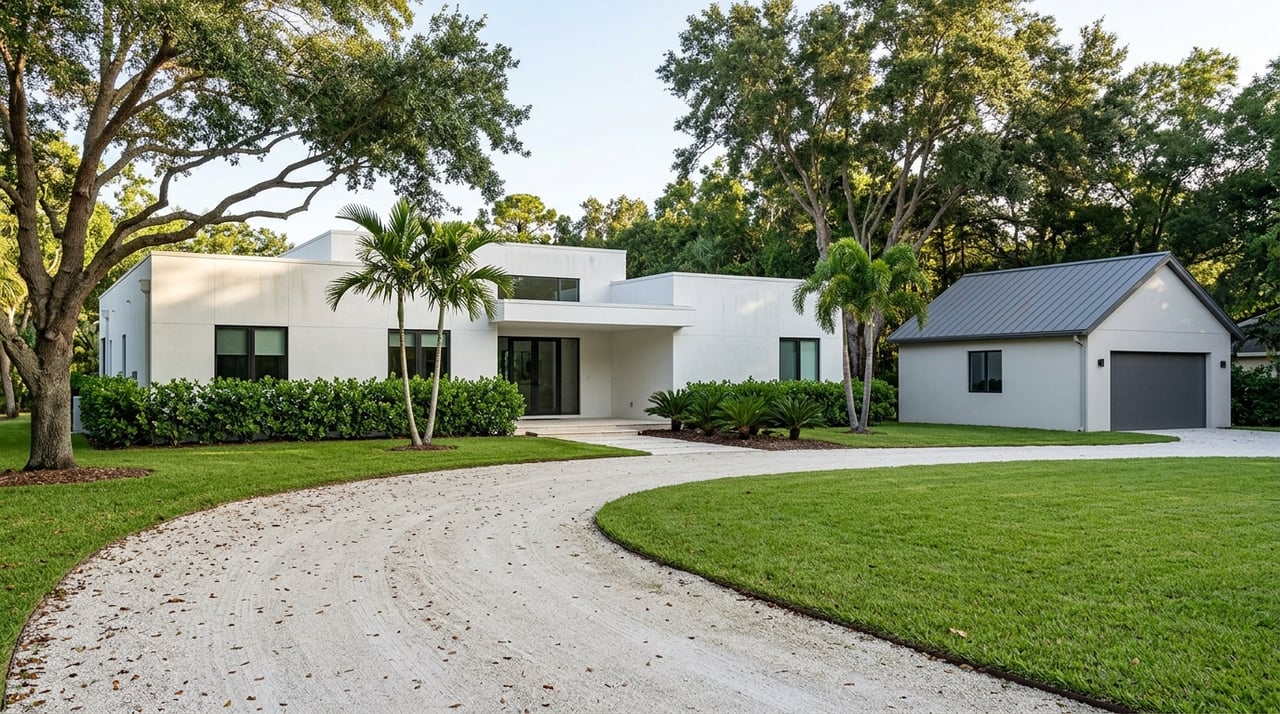
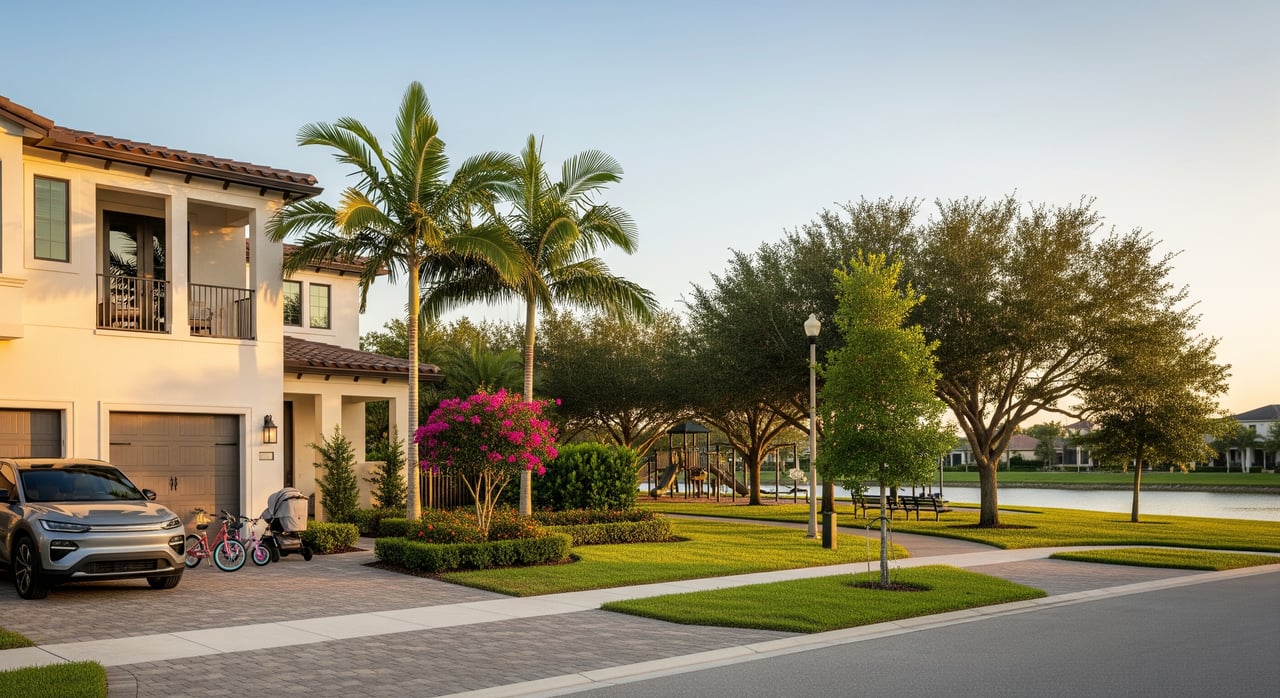
You’ll see single-family homes on medium to large lots, plus townhomes and mid-rise condo buildings near main corridors. Many homes were built during the 1970s to 1990s growth years, with newer gated communities and renovated properties sprinkled throughout. Planned communities often feature cul-de-sacs, internal lakes, and HOA-maintained common areas.
What to evaluate in a home
- HOA rules, fees, and community amenities like pools, parks, or security
- Age and condition of major systems such as roof, AC, and plumbing
- Wind and hurricane upgrades like impact windows and shutters
- Flood zone and elevation for the specific parcel, plus drainage conditions
Schools and education options
Pembroke Pines is served by Broward County Public Schools, one of Florida’s largest districts. School choice and magnet programs are part of the landscape, and many families explore both zoned and choice options.
Public school basics
Assigned schools are based on your address. The district also offers magnet programs and other specialized pathways at many elementary, middle, and high schools. Families commonly review school performance reports and visit campuses before enrolling.
Choice and magnet programs
Broward County uses an application process for choice and magnet seats. These can include focus areas such as STEM, arts, IB, AP, and career academies. Deadlines and seat availability vary, so plan ahead and confirm the timeline that applies to your child’s grade level.
Charter and private options
Several charter schools operate in and near the city, giving you alternatives to zoned schools. You’ll also find private and faith-based schools, plus preschools and daycare centers. Many families use a mix of private early learning and public K–12.
Early childhood and after-school
The area offers licensed daycare centers, family daycare providers, and school-based after-school programs. City recreation departments and private youth organizations run camps and after-school activities. Popular providers can have waitlists, so start early.
How to choose and plan
- Check current school reports and recent achievement trends
- Confirm program availability, like IB, AP, magnet, or career pathways
- Review transportation policies and school bus eligibility
- Test your school commute during drop-off and pickup times
- Note application windows for choice and magnet programs
Parks, recreation, and youth sports
Family life in Pembroke Pines comes with easy access to parks, playgrounds, and organized youth sports. You’ll also find a major regional park nearby that offers water features, multi-use fields, and weekend-friendly amenities.
Park system and family fun
Neighborhood parks, sports fields, and community centers are spread across the city. Trails and nature preserves give you places to walk, bike, and connect with the outdoors. Many planned communities include on-site pools, courts, and tot lots, so quick after-dinner playtime is simple.
Youth sports and activities
You can enroll kids in soccer, baseball or softball, football, basketball, swimming, and more. Programs are offered through the city, schools, private clubs, and regional travel teams. Community centers and local gyms provide preschool activities, gymnastics, dance, and swim lessons.
Everyday amenities
You’ll find playgrounds, splash pads, picnic areas, and dog parks within short drives of most neighborhoods. Shopping centers, family dining, and grocery stores are easy to reach, which keeps errands and weeknight routines manageable.
Seasonal planning tips
- Registration for city-run leagues and camps often opens seasonally — set calendar reminders
- Pool schedules can shift by season and school calendars
- Travel teams and clinics may require tryouts and advance sign-up
Commutes and transportation
Pembroke Pines is car-oriented, with several major highways and state roads nearby. Many residents commute to Fort Lauderdale, Hollywood, or Miami. Commute times vary by route and time of day, especially during peak hours.
Driving routes
Primary east–west and north–south corridors connect you to regional employment centers and shopping hubs. Peak-hour congestion can be common, so it pays to test your route during the exact time you plan to commute. Families often choose neighborhoods based on morning school drop-off and the first leg of the drive.
Public transit and alternatives
Broward County Transit provides local and regional bus service along key corridors. Tri-Rail commuter rail serves the county, and many residents drive to the nearest station or park-and-ride. Direct rail access inside city limits is limited, so confirm station locations and transfer options if you want to use transit.
Daily family logistics
- Map school and daycare pickups to your commute corridor
- If you plan to use transit, check bus frequency and transfer points
- Consider rideshare or local shuttle options to fill gaps when schedules shift
- Build a buffer for school queues and after-care pickup windows
How to test your commute
- Drive your route at your exact start and end times on a weekday
- Try at least two alternate routes for bad-weather days
- Time the school car line and note on-campus traffic flow
- Identify a backup caregiver or after-school option along your route
Practical considerations: safety, costs, and climate
Pembroke Pines is often described as a family-friendly suburb. As with any large metro area, conditions vary by neighborhood. Take a balanced, data-informed approach to your research.
Safety and community resources
Review local crime data and community resources to understand trends. Talk to neighbors, attend local meetings, and visit at different times of day. Use what you learn to match your comfort level and lifestyle.
Cost of living and insurance
Your largest costs will usually be housing and property taxes. Florida does not have a state income tax, which can help with overall budgeting. Be sure to compare total cost of ownership across single-family homes and condos or townhomes, including HOA fees, maintenance, and homeowners insurance. Evaluate wind and hurricane coverage, and flood insurance if required.
Hurricane and flood readiness
Pembroke Pines sits inland compared to the beachside cities, which typically reduces storm surge exposure. Heavy rainfall, localized flooding, and wind damage are still possible. For each property you consider, check the FEMA flood map and local elevation, ask about drainage, and look for mitigation features like impact windows, reinforced garage doors, and elevated mechanicals.
Is Pembroke Pines a fit for your family?
If you want suburban space, nearby parks, and a choice of school pathways, Pembroke Pines offers a balanced day-to-day lifestyle. Your weekday rhythm might look like this: a quick school drop-off, a reasonable commute by car, late-afternoon practice at a local field, and a short drive to dinner or errands. Weekends often mean park time, youth games, and a trip to a regional attraction or nature trail.
The key is to line up your specific needs with the neighborhood, school plan, and commute that fit you. Test your routes, confirm program timelines, and review home details that matter for safety and maintenance. With a clear plan, you can make a confident move.
Ready to explore homes that match your family’s wish list or want a local perspective on neighborhoods and schools? Reach out to The Tello Team for buying, selling, leasing, or a free valuation. You’ll get hospitality-level service, deep local knowledge, and multilingual support in Spanish and German. Connect with The Tello Team to take the next step.
FAQs
What should families know about Pembroke Pines schools?
- Broward County Public Schools serves the area, and many campuses offer magnet and choice programs. Check assignment tools, program availability, and application deadlines.
How are youth sports and activities set up in Pembroke Pines?
- City programs, schools, and private clubs offer soccer, baseball or softball, football, basketball, swimming, and more, with seasonal registration and clinics.
What are commute options from Pembroke Pines to nearby job centers?
- Most residents drive on major corridors, with peak-hour traffic affecting times; bus service is available and Tri-Rail can be accessed by driving to a nearby station.
How can I compare single-family homes vs. condos or townhomes?
- Evaluate space and layout needs, HOA rules and fees, maintenance responsibilities, insurance differences, and total monthly costs to find the best fit.
How do I assess flood and hurricane risk for a specific property?
- Review FEMA flood maps and local elevation, look for mitigation features like impact windows, and ask for insurance history and drainage details.
What everyday amenities will my family find nearby?
- You’ll have access to parks, playgrounds, splash pads, community centers, grocery stores, and family dining within short drives of most neighborhoods.