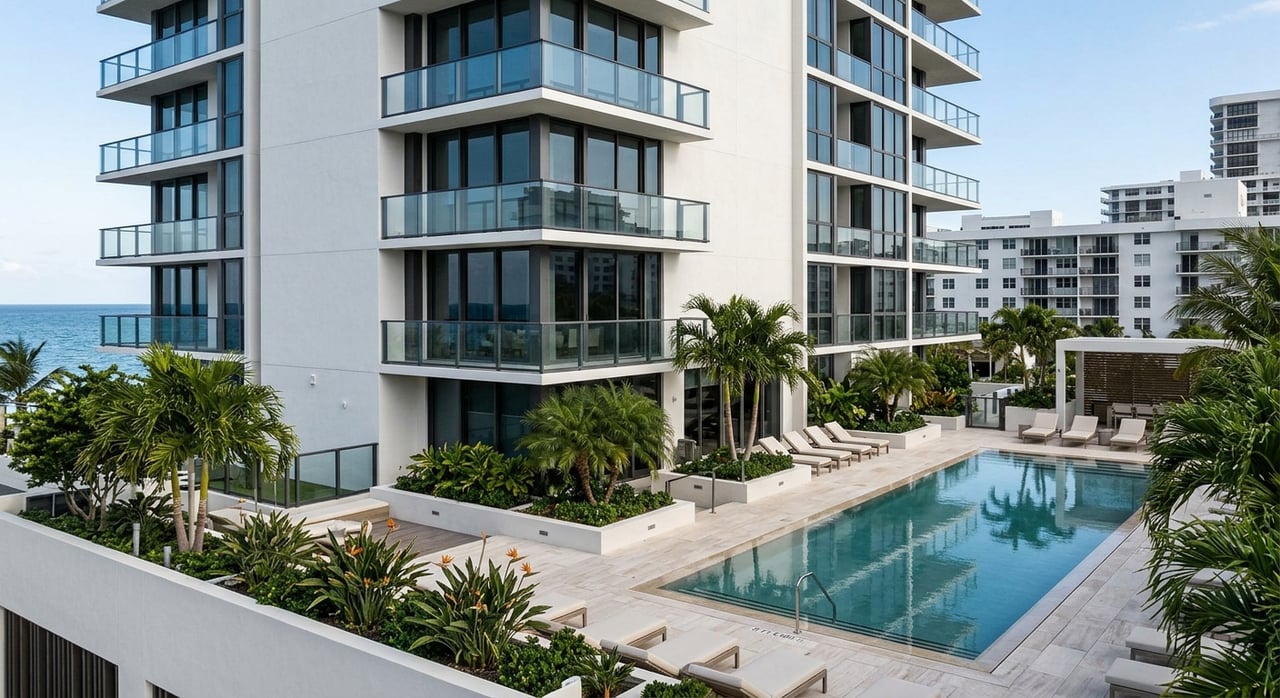
Summer in Brickell can feel like living in a glass box. Between long, humid afternoons and floor-to-ceiling windows, your A/C works overtime and your bill shows it. You want real, condo-friendly ways to stay comfortable without risking moisture problems or HOA violations. In this guide, you’ll get practical steps that work in Brickell high-rises, plus the approvals and incentives to know before you spend. Let’s dive in.
Know your building’s HVAC setup
Before you change equipment or settings, confirm whether your condo has unit-level A/C or a central plant. Many Brickell towers use building-level chilled water or central systems that limit what you can replace in your unit. Check your condominium declaration and ask the property manager for documentation on system type and responsibilities. Florida’s Condominium Act gives associations control over common elements, so get clarity early on responsibilities and approvals (Florida Condominium Act, Chapter 718).
Quick wins you can do today
Thermostat strategy that protects comfort
Raising your thermostat a few degrees when you are away and using schedules can cut cooling energy. The Department of Energy notes that a setback of 7 to 10 degrees for eight hours can save around 10 percent per year, depending on your home and system (DOE thermostat guidance). In Miami’s humidity, avoid extreme setbacks for long stretches. Keep enough runtime to manage moisture and prevent mold.
Use fans to feel cooler at higher setpoints
Ceiling and portable fans move air across your skin, so you can run the A/C a little warmer and still feel comfortable. Fans use far less electricity than cooling equipment. Turn fans off when you leave the room to avoid wasted energy.
Cut internal heat gains in the afternoon
Ovens, dryers, and electronics add heat your A/C must remove. Run laundry and dishwashers in cooler hours and switch to LEDs to reduce both lighting energy and heat. FPL’s tips echo these simple changes as useful levers to lower cooling costs (FPL cooling and bill tips).
Maintenance and sealing that pay off
A well-tuned system costs less to run. Schedule annual service so coils are clean, refrigerant charge is correct, and condensate drains are clear. Poor maintenance increases runtime and bills; DOE and ENERGY STAR emphasize quality installation and periodic commissioning for best performance (DOE high-efficiency A/C guidance).
Seal gaps that pull in warm, humid air. Caulk around plumbing penetrations, weatherstrip balcony and entry doors, and check laundry closet doors for tight seals. Income-qualified residents may find help for window film and sealing through Miami-Dade programs (Weatherization Assistance Program).
Control sun and windows in glass towers
High-impact window treatments and films
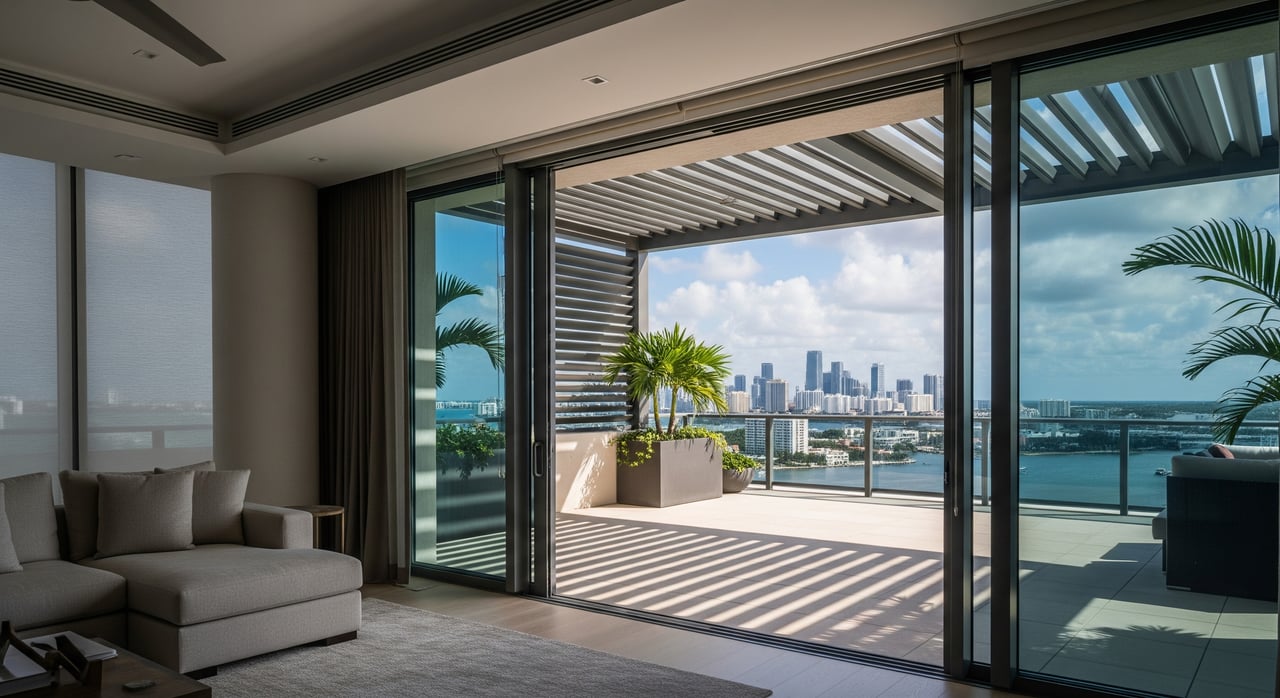
In Brickell’s glass-heavy condos, solar heat gain is a big driver of A/C use. Interior cellular shades, tight-fit roller shades, and reflective window films can significantly cut heat entering your home. The Department of Energy reports that window coverings can reduce heat gain by large amounts when properly selected and installed (DOE window coverings guide). Confirm any rules on visible films or exterior appearance with your HOA.
Considering glazing changes
Low-E or hurricane-rated replacement windows can improve comfort and lower cooling load, but they are a major investment. In many buildings, window replacements involve common elements and require association approval. Some associations pursue whole-building glazing upgrades when meeting energy or code updates; ask your board about plans before you invest.
Equipment and smart tech to consider
Replace old A/C with efficient models
If your condo allows unit-level equipment, a modern high-efficiency system can deliver the largest long-term savings. Proper sizing and quality installation matter as much as the equipment rating to achieve results (DOE high-efficiency A/C guidance). For buildings with central plants, push for building-level optimization through your board.
Ductless mini-splits for better zone control
Ductless systems are efficient and offer strong dehumidification, which helps in Miami. Installation often requires outdoor components on balconies or walls, so HOA approval is usually required. ENERGY STAR outlines performance benefits and typical applications (ENERGY STAR on mini-splits).
Smart thermostats and usage insights
Smart thermostats learn your schedule and can trim cooling use without sacrificing comfort. Studies referenced by ENERGY STAR show measurable savings for heating and cooling in typical homes (ENERGY STAR smart thermostat overview). If your building uses a central system, ask management whether your thermostat has local control and whether it is compatible with smart models.
Incentives, approvals, and permitting in Miami-Dade
Check incentives before you buy equipment. FPL has offered instant A/C rebates through participating contractors, although amounts and qualifying models change. Verify current details before you sign a contract (FPL A/C rebates).
Federal tax credits may help with qualified efficiency upgrades. The Energy Efficient Home Improvement Credit can cover a portion of eligible improvements, subject to category caps and rules. Review current IRS guidance and consult your tax professional before you purchase (IRS Energy Efficient Home Improvement Credit).
For exterior work or anything touching common elements, expect HOA approval and city permits. Florida statute and most condo documents require written approval for exterior alterations, and the City of Miami enforces state building codes for mechanical and electrical work (Florida Condominium Act, City of Miami codes overview). Get approvals in writing before contractors start.
A simple Brickell condo checklist
- Confirm system type and responsibilities with your manager and documents.
- Set your thermostat schedules and aim for modest setbacks when you are away.
- Run ceiling fans in occupied rooms and close shades on sun-exposed glass.
- Replace filters, schedule annual A/C service, and clear condensate drains.
- Seal door gaskets and penetrations to limit humid air infiltration.
- Add cellular shades or solar film to reduce solar heat gain.
- If allowed, consider high-efficiency equipment or a ductless mini-split.
- Check FPL rebates and the IRS credit before you buy.
- Obtain HOA approvals and required permits for any exterior or system changes.
Ready to cut cooling costs without sacrificing comfort? If you are buying, selling, or planning improvements in a Brickell condo, connect with the local advisors who know high-rises and HOAs. Reach out to The Tello Team for thoughtful guidance on your next move.
FAQs
How can I tell if my Brickell condo uses a central chiller or individual A/C?
- Ask your property manager for system documentation, review your condo declaration, and look for signs of building-level scheduling on your thermostat; if unclear, request a simple explanation from the building engineer.
What thermostat settings work best for Miami humidity in condos?
- Use a modest setback when you are away and keep enough runtime to manage moisture; avoid long, extreme setbacks that can allow humidity to rise.
Are window films allowed in Brickell high-rises with floor-to-ceiling glass?
- Interior films and shades are often allowed, but anything that changes the exterior look usually needs HOA approval; always submit for written approval before installation.
Do I need permits and HOA approval to install a ductless mini-split in my condo?
- Yes, expect association approval for any exterior equipment and City of Miami permits for mechanical and electrical work; start approvals before hiring contractors.
What incentives help with A/C upgrades in Miami-Dade condos?
- FPL has offered instant rebates for qualifying A/C installations, and the federal Energy Efficient Home Improvement Credit may offset part of eligible costs, subject to caps and rules.
Can I lower my costs if the building runs a central chiller?
- Often yes; you can still adjust setpoints, use fans, and cut internal heat gains, and you can encourage your board to pursue central plant optimization for larger savings.