Eyeing a Brickell condo but worried about surprise costs? You are not alone. Special assessments are part of condo life in South Florida, and they can affect your budget, financing, and long-term plans. In this guide, you will learn what special assessments are, why Brickell buildings levy them, how they are approved, and the due diligence steps that help you buy with confidence. Let’s dive in.
What a special assessment is
A special assessment is a one-time or time-limited charge that a condo association bills to owners in addition to monthly dues. Associations use them when the regular budget and reserves are not enough to cover a big expense. Common uses include major repairs, capital replacements, emergency fixes, code-driven upgrades, and insurance deductibles or litigation costs.
In Brickell and Downtown Miami, assessments often stem from aging structural elements, large capital projects like elevators or roofing, or storm-related repairs. Since 2021, increased building safety scrutiny has led many associations to commission engineering studies and update reserve planning. That focus has made special assessments more visible across South Florida.
How associations set and collect assessments
Associations start by identifying the project cost from engineer estimates or contractor bids. They compare that cost to available funds in the operating account and reserves. The funding gap is then allocated among owners using the method in the condo documents, usually by percentage ownership or unit interest.
Approval rules vary by building and state law. Some boards can levy smaller assessments up to a limit without a membership vote. Larger projects often require owner votes, while emergency assessments can follow different procedures. You should expect formal notices, meeting minutes, and board resolutions for significant assessments.
Payment terms can be lump sum or installments. Some boards offer payment plans or arrange third-party financing. Unpaid assessments can become liens and may lead to fines or foreclosure actions, as provided by the association’s documents and applicable law.
Brickell factors to watch
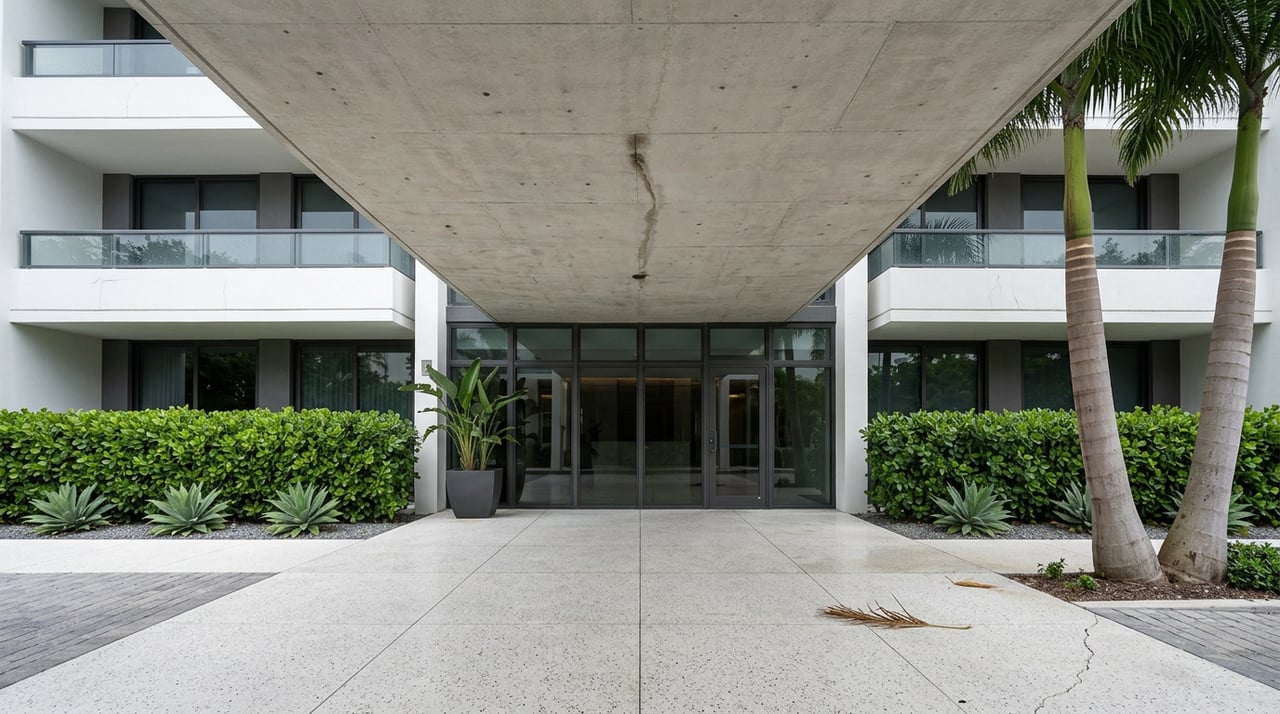
Brickell has a mix of new towers, mid-age buildings, and older high-rises. Older buildings are more likely to need structural repairs, concrete restoration, and modernization. Salt air, storms, and hurricane risk add wear to windows, balconies, and parking structures, which can drive big projects and higher costs.
Since 2021, lenders, insurers, and buyers have increased scrutiny of building safety and reserves. Associations are seeking more engineering input and setting plans for structural remediation. Typical high-cost items include concrete and façade repairs, garage waterproofing, elevator modernization, hurricane-rated windows and doors, envelope waterproofing, and stormwater mitigation.
What to review before you make an offer
Ask the seller or association for documents and read them carefully. Focus on:
- Most recent budget and year-to-date financials
- Reserve study and any engineering or structural reports
- Board meeting minutes for the last 12 to 24 months
- Notices and votes on any approved or proposed assessments
- Estoppel certificate or payoff letter showing balances and pending items
- Governing documents, bylaws, and amendments on assessment authority and allocation methods
- Insurance declarations page, including deductibles and coverage limits
- Litigation disclosures and claims history
- Reserve account statements and any investment policy
Key questions to ask:
- Are any assessments approved, proposed, or under consideration? For how much and when?
- When was the last reserve study and inspection, and what were the findings?
- What is the current reserve balance and funded percentage versus recommendations?
- What percentage of owners are delinquent on dues?
- Are there pending lawsuits or insurance disputes?
- What major projects were completed in the last 5 to 10 years, and how were they funded?
- Are payment plans typical, and what are the terms?
- What is the building insurance deductible, and have there been recent large claims?
- Are there any code violations or outstanding city or county orders?
Red flags that raise assessment risk
Watch for signs that costs may be coming:
- Reserve studies showing large near-term expenses with low reserve balances
- Board minutes that postpone necessary maintenance due to lack of funds
- High owner delinquency rates
- Ongoing or pending litigation, especially related to construction defects or major casualties
- Insurance nonrenewals, large deductibles, or sharply rising premiums
- Frequent assessments in recent years
- Engineering reports that identify critical deficiencies
How assessments affect your budget and loan
A special assessment is an immediate cash call. It can reduce your liquidity for closing costs and renovations, and if you are investing, it can lower net operating income and cash-on-cash returns. Announced or recent large assessments can also soften buyer demand and affect resale pricing until work is complete.
Lenders review condo financials, reserve levels, and any assessments during underwriting. An announced major assessment may trigger extra documentation or stricter review. Talk with your lender early to understand how a current or likely assessment could affect loan approval.
Smart ways to protect yourself
You have options to reduce risk and control costs:
- Use a condo-document review contingency to review budgets, reserves, minutes, and reports
- Request a price reduction or seller credit equal to your share of any known assessment
- Require the seller to pay an announced assessment before or at closing
- Ask for an escrow holdback if the timing or final amount is uncertain
- Make closing conditional on an estoppel showing no unpaid or pending assessments
- Walk away under your contingency if a large or uncertain assessment changes your budget
Payment flexibility is often available. Many associations offer installment plans for large assessments. Some allow financing through a third party. Ask about interest, fees, and eligibility before you finalize your offer.
Suggested timeline for due diligence
- Pre-offer: Ask about any assessments or engineering reports and request basic HOA documents
- Offer: Include a clear condo-document review contingency with firm deadlines
- Escrow: Obtain the estoppel, confirm assessment status, and negotiate credits, payments, or holdbacks
- Pre-closing: Secure the final estoppel and deliver required condo documents to your lender
Quick buyer checklist
- Read the reserve study and any engineering reports
- Compare recommended reserves to actual balances
- Scan board minutes for capital projects and funding plans
- Confirm assessment status on the estoppel
- Ask about payment plans or financing if an assessment exists
- Coordinate early with your lender on condo review and documentation
- Use credits, seller payments, or escrow holdbacks to offset known costs
Final thoughts and local help
Special assessments are not a deal-breaker by themselves. They can be a sign that a building is investing in long-term safety and value. Your goal is to understand timing, scope, and funding so you can buy in Brickell with clear eyes and a solid plan.
If you want help reviewing documents, coordinating with your lender, and negotiating protections, reach out to The Tello Team. Our client-first, full-service approach can guide you from due diligence to a confident closing.
FAQs
What is a condo special assessment in Florida?
- It is a one-time or time-limited charge, separate from monthly dues, used to fund expenses that the budget and reserves cannot cover, such as major repairs or insurance deductibles.
How common are special assessments in Brickell condos?
- Since 2021, heightened building safety scrutiny and reserve reviews have made assessments more visible in South Florida, including Brickell, especially for older or coastal-exposed buildings.
Can a lender deny my mortgage due to an assessment?
- Lenders review condo financials, reserves, and assessment status, and a major announced assessment can trigger additional review or make approval more difficult.
What documents reveal upcoming assessment risk?
- Reserve studies, engineering reports, and recent board minutes often show planned projects, funding gaps, and discussions of potential assessments.
Can I negotiate who pays a special assessment when buying?
- Yes, you can request seller credits or price reductions, require the seller to pay, or use escrow holdbacks, subject to agreement in your contract.
Are payment plans common for large assessments?
- Many associations offer installment plans for large assessments, and some permit third-party financing, often with interest or fees.