A Florida Senate bill promising broader roof-age insurance protections was supposed to take effect July 1, 2026. Dozens of insurance and roofing sites published guides this year explaining what it would mean for homeowners. The bill died in committee on March 13, 2026, months before its supposed effective date, according to the Florida Senate's own bill history. It never became law.
That distinction matters more in Pembroke Pines than almost anywhere else in Broward County. The city's housing stock spans five decades, from the original eastern subdivisions built before Hurricane Andrew forced a rewrite of Florida's building code to the gated communities on the west side that went up after 2000. If you're selling a home built in that middle stretch, the difference between the roof-age rule that passed and the one that didn't could decide whether your buyer's insurance clears in time to close this fall.
The Bill That Never Made It
Senate Bill 808 would have expanded who counts as an "authorized inspector" for roof evaluations, added roof consultants and roof observers to a list previously limited to licensed home inspectors, contractors, and engineers, and created a new path for low-slope roofs to stay insurable through a roof-coating certification instead of a full tear-off. All of that died with the bill in the Banking and Insurance Committee.
What survived is narrower, and it's the rule that's actually governing your sale right now. Florida Statute 627.7011, created through a 2022 special session bill known as SB 2-D, prohibits insurers from refusing to issue or renew a policy solely because a roof is under 15 years old. Once a roof crosses that 15-year mark, the insurer can require an inspection, but if that inspection shows at least five years of remaining useful life, the carrier still can't deny coverage on age alone. That's the whole rule. No roof-coating workaround, no expanded inspector list.
What's Actually Protecting You, and What Isn't
The 15-year floor is a statewide minimum, not a guarantee of easy underwriting. Citizens Property Insurance Corporation, the state-backed insurer of last resort, publishes its own thresholds that go well past that floor: a shingle or "other" roof needs documentation of full replacement once it passes 25 years, while tile, slate, clay, concrete, or metal roofs get until 50 years before that documentation requirement kicks in, according to Citizens' own FAQ updated in March 2026.
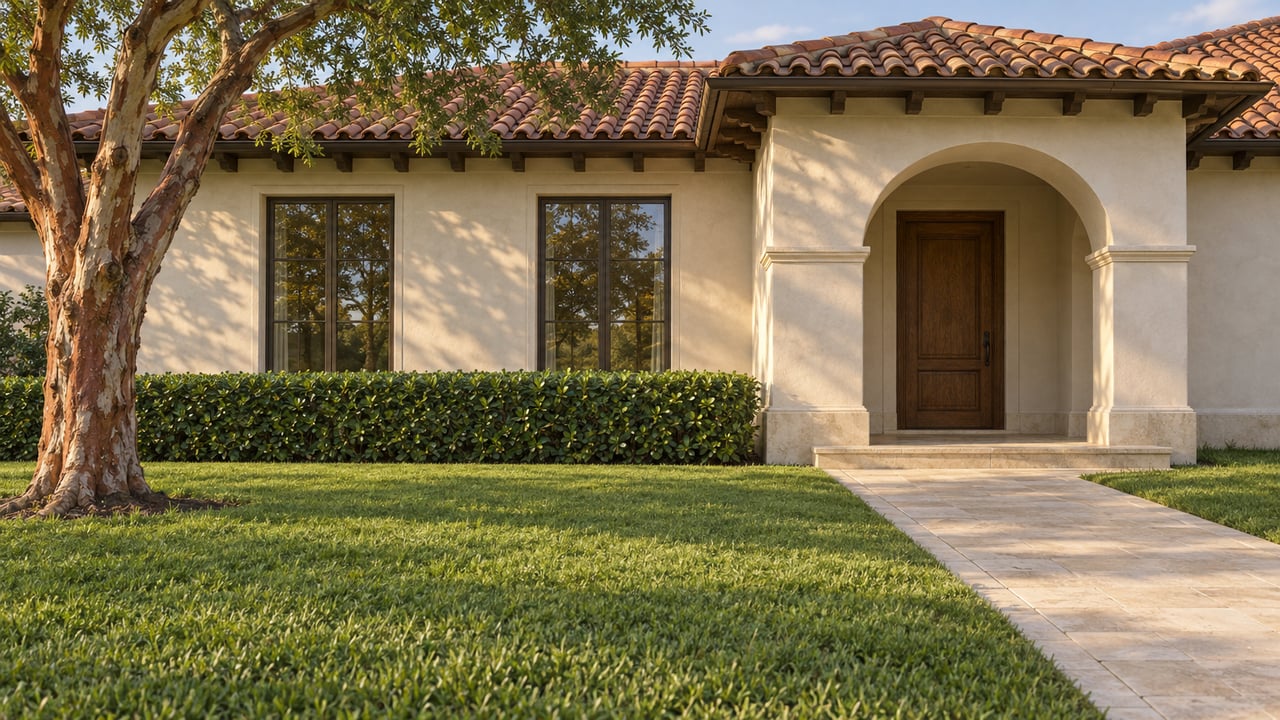
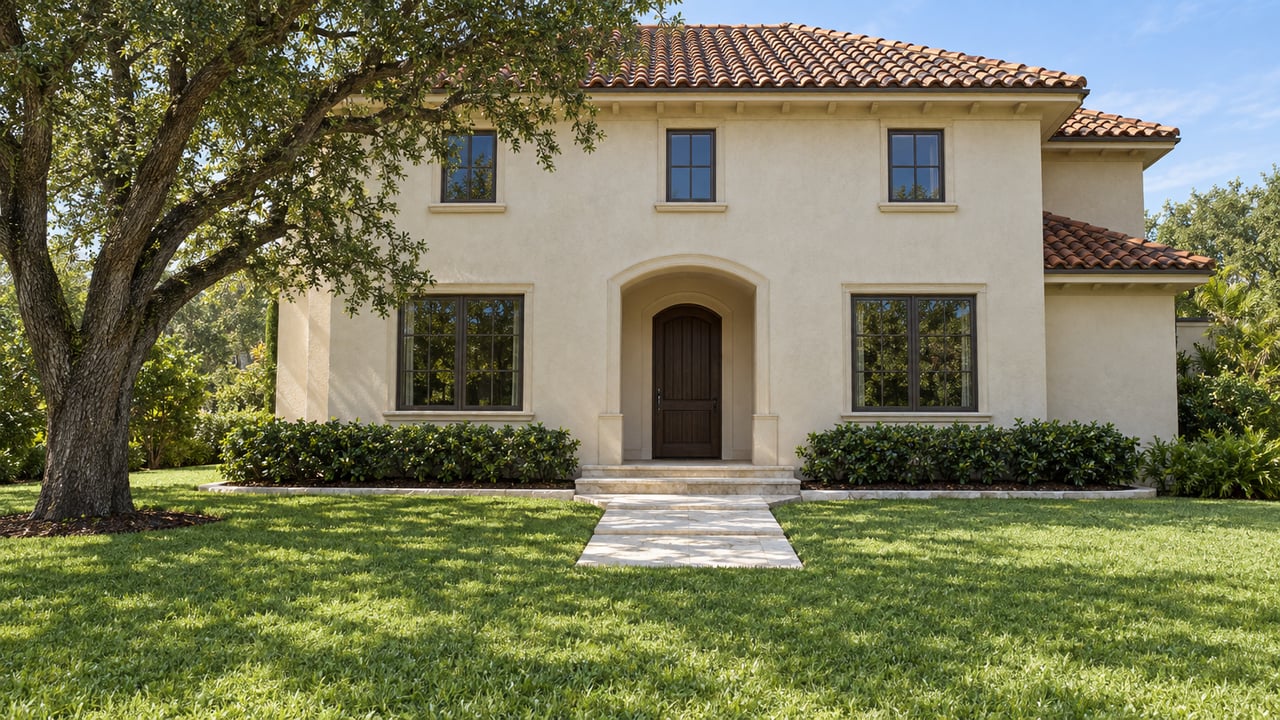
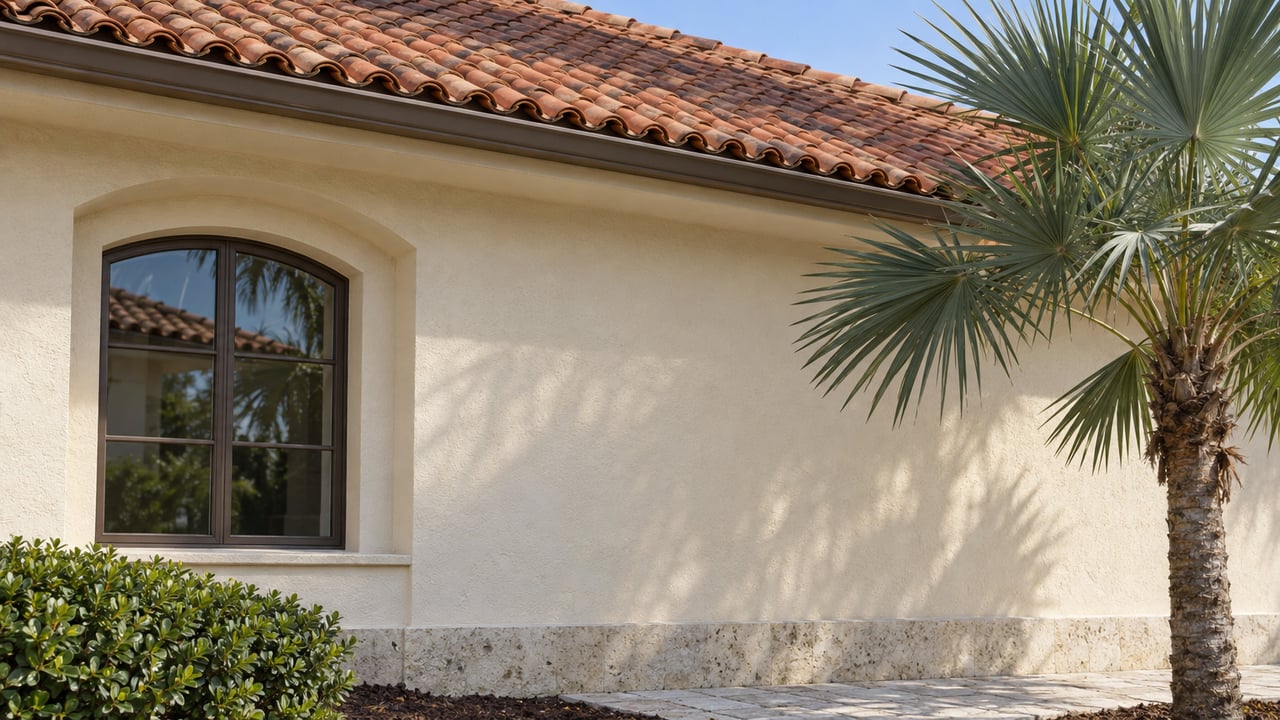
That gap between material types is the detail most sellers miss, and it happens to work in Pembroke Pines' favor more often than not. Roofing contractors who work the city report that concrete tile, not asphalt shingle, has been the dominant material since the 1990s building boom, and that a properly maintained tile roof typically runs 25 to 40 years before it needs replacement. A shingle roof in a Broward neighborhood built the same year could already be facing carrier pushback. A tile roof of the same age often has real runway left, provided the underlayment hasn't failed and the tiles aren't cracked.
Why This Splits the City by Subdivision
Pembroke Pines was built out in two distinct waves separated by a single storm. Hurricane Andrew in 1992 rewrote Florida's building code, and homes built before that date carry a different risk profile from everything that came after, even within the same city limits. Robson Industrial notes that Broward isn't inside Miami-Dade's High-Velocity Hurricane Zone, but the county still sits in a 160 mph wind design zone, which means older roof deck attachment methods and lighter framing connections common before 1992 are exactly what inspectors and insurers are trained to flag.
Here's roughly how that plays out by neighborhood:
| Area | Typical Construction Era | Common Roof Material | What Tends to Surface |
|---|---|---|---|
| Original Pines core / eastern neighborhoods | 1970s to early 1990s | Shingle or early tile | Pre-Andrew framing, aging electrical panels, occasional pre-1978 lead paint pockets near the oldest streets |
| Pasadena Lakes | 1970s to 1980s | Mixed shingle and tile | Original systems still in place in unrenovated homes |
| Chapel Trail | 1980s to 1990s | Concrete tile | Wetland-adjacent debris in gutters and valleys from the 450-acre Chapel Trail Nature Preserve next door |
| Silver Lakes | 1990s to 2000s | Concrete tile | Roofs approaching the upper end of insurable age on the shingle side of mixed-material streets |
| Century Village | Buildings from the 1970s and 80s | Association-maintained in many cases | Age-restricted resale rules layered on top of standard closing requirements |
| Pembroke Falls / Grand Palms | 2000s and later | Concrete tile, HOA-restricted colors and profiles | Newer systems, but architectural review can slow a re-roof timeline before you even get to insurance |
If your home falls in that first or second row, the smart move is scheduling a roof inspection before you list, not after an offer comes in and your buyer's lender starts asking questions.
What a Four-Point Inspection Will Actually Flag
Most Florida carriers require a four-point inspection, covering roof, electrical, plumbing, and HVAC, on homes 20 years or older, though some push that trigger down to 15 years. The inspection itself is quick, typically 30 to 90 minutes, and inexpensive, running $75 to $150 standalone or up to $400 when bundled with a wind mitigation report. What it produces is a document your buyer's insurer will use to decide whether to write the policy at all.
For Pembroke Pines homes built in the 1980s, the failures that show up most often aren't roof-related. Federal Pacific, Zinsco, Challenger, and Sylvania electrical panels, all commonly installed during that era and now flagged by nearly every carrier, are still present in some pre-1990 homes. Polybutylene supply plumbing, widely used in 1980s Broward County construction, is another recurring flag. Neither of these will show up on a listing photo, and neither gets fixed by a fresh coat of paint. If you have receipts or permits for a panel upgrade or a repipe, hand them over before the inspection. Inspectors give documented work credit that undocumented work doesn't get.
One more wrinkle for the oldest pockets of the city. Most of Pembroke Pines was built after 1978, but the pockets that predate it trigger a separate federal requirement: disturbing painted trim, fascia, or siding during a roof job on a pre-1978 home falls under the EPA's Renovation, Repair and Painting Rule, regardless of whether your roofing contractor mentions it.
The Two Other Signatures Standing Between You and Closing
Insurance isn't the only friction point unique to how Pembroke Pines is built. HOA estoppel letters and community-specific steps can affect a closing, with the letter typically costing $150 to $400. Neither process is long on its own, but stacked against an insurance delay, either one can push a closing date past where a buyer's rate lock expires.
FHA financing adds a second layer specific to Pembroke Pines' price point. A meaningful share of buyers here use FHA loans, and FHA appraisal standards require a functional roof and working systems with no visible health or safety hazards. An appraiser who spots the same aging panel or roof condition a four-point inspection would flag can require repairs before the loan closes, on top of whatever your buyer's insurer already asked for.
The Market Data Sellers Are Reading Wrong
Broward County's countywide median sale price sat at $518,000 as of late September 2026, down slightly year over year, with roughly 6.5 months of supply and buyers negotiating around 7% off asking price on average. Read on its own, that number suggests a market that's cooling across the board.
It isn't. That countywide figure blends condos and single-family homes into one average, and the two are moving in opposite directions. Broken out separately, single-family homes across Broward carried just 4.3 months of supply as of July 2026, with the median sale price up 4.84% year over year to $650,000. Condos are the segment pulling the blended number down, weighed by association reserve requirements and rising insurance costs that don't apply the same way to single-family listings.
For a Pembroke Pines seller with a single-family home, that split is the actual market you're competing in, not the countywide average. A well-documented listing, roof age accounted for, electrical panel verified, HOA paperwork started early, is competing in a segment with tighter supply and rising prices, even while the headline number looks soft. Mortgage rates have held in a narrow band through mid-2026, with the 30-year fixed averaging 6.55% as of mid-July, which has kept qualified buyers active rather than sitting on the sidelines waiting for a bigger drop.
Quick Answers for Pembroke Pines Sellers
Does a 15-year-old roof automatically fail inspection? No. The statutory floor only requires that insurers allow an inspection at that age, and if that inspection shows five or more years of remaining useful life, the roof's age alone can't be used to deny coverage. Tile roofs, which dominate Pembroke Pines, often clear that bar well past 15 years.
Do FHA buyers face different standards than conventional buyers? Yes, in one specific way. FHA appraisals require a functional roof and working systems with no visible safety hazards, separate from whatever your buyer's insurer requires through a four-point inspection. It's possible to clear one and still need repairs to satisfy the other.
What if my home is in Century Village or another age-restricted community? Plan for HOA paperwork and any community-specific steps. HOA estoppel letters can affect the closing process, and age-restricted communities may have additional steps, so start that paperwork the same week you list.
If you're weighing whether your Pembroke Pines home is ready for the market this fall, roof age, panel type, and HOA paperwork all factor into what a buyer's lender will actually accept, not just what a listing photo shows. The Tello Team can walk through your home's specific construction era and pull a free, instant valuation so you know where you stand before a buyer's inspector tells you.
This article is general information, not legal, tax or financial advice. Consult a qualified professional about your situation.