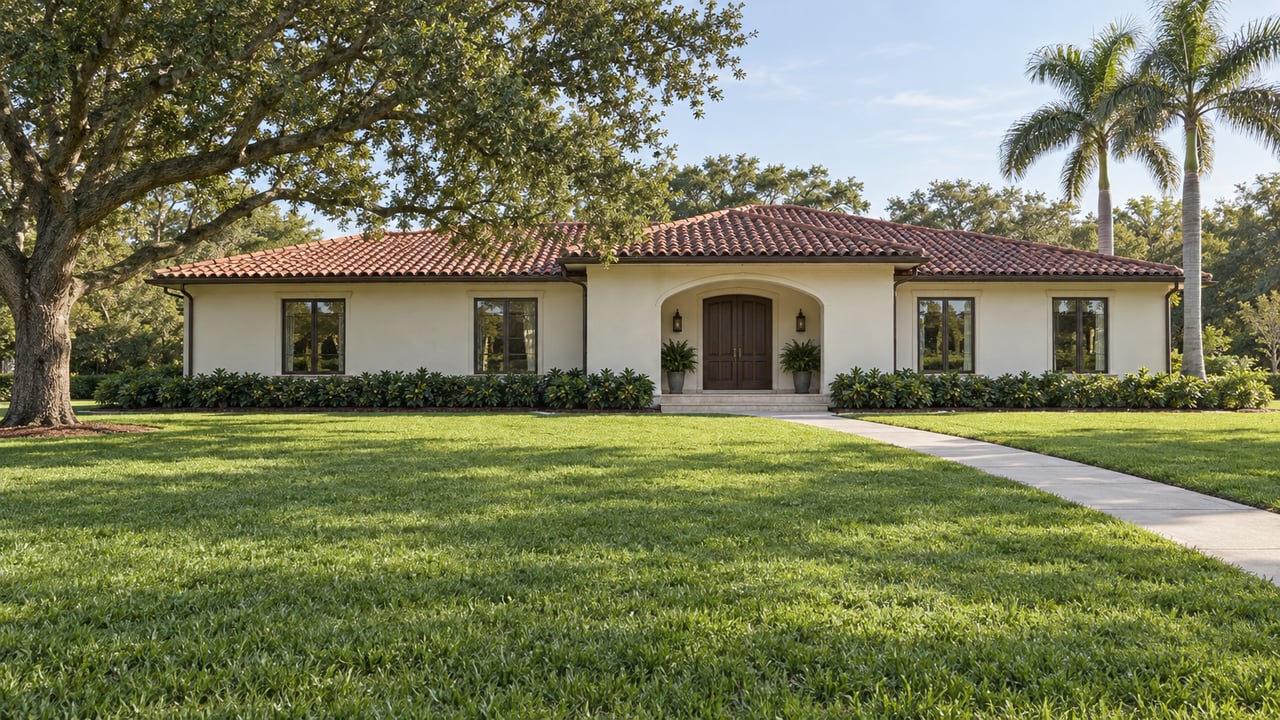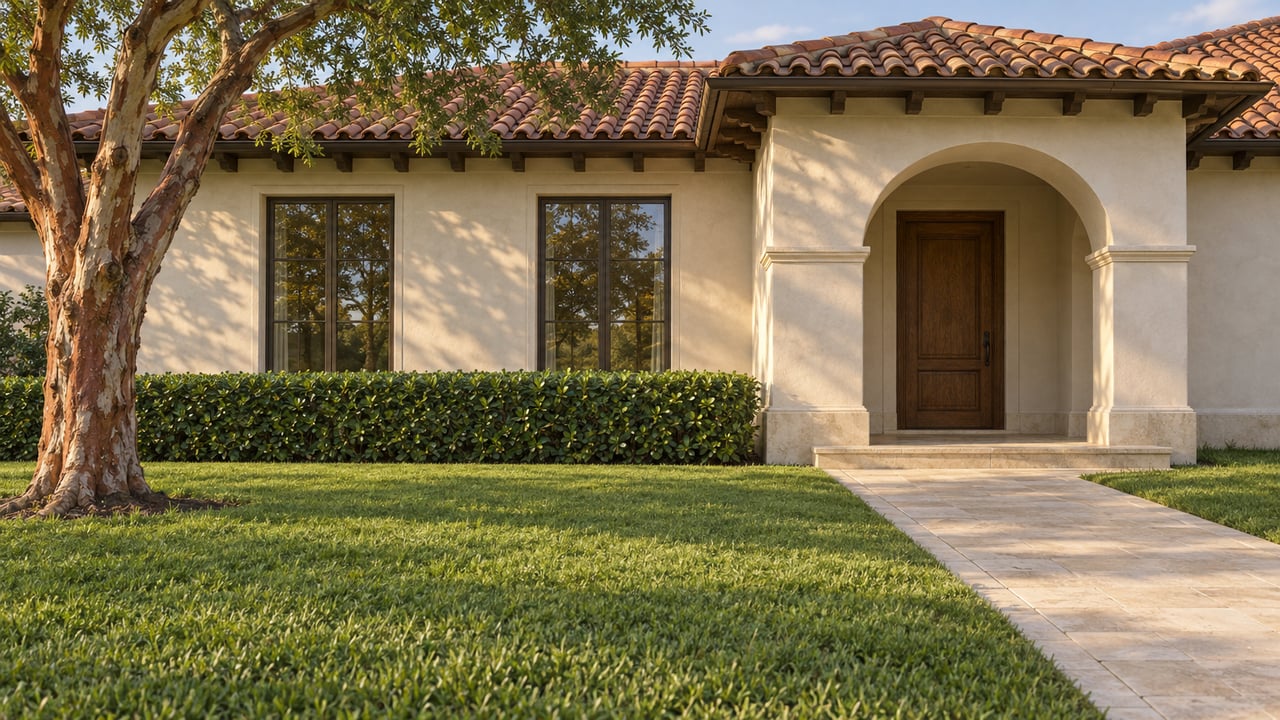
What do a $370,000 Miramar townhouse and a $650,000 Miramar single-family home have in common on the November tax bill? Both owe $574.22 for fire protection. On September 14, 2026, the Miramar City Commission unanimously approved Resolution 8766, which reimposes the fire protection assessment for FY2027 at $574.22 per residential dwelling unit, up from $479. The charge doesn't change with square footage, sale price or taxable value. It's the same for every home.
Buyers who estimate taxes by multiplying a price by a millage rate miss this line completely. For the average homesteaded home in Miramar this year, it's also the line that went up more.
The $95 that outran the tax increase
Miramar's budget staff gave a plain example at the September 14 hearing. The average homesteaded single-family home's taxable value rose from $272,000 to $280,000 under the 2.7% Save Our Homes cap. That raises the city's tax on the home by $57.23 for the year. When the fire assessment increase is added, the total rises to $152.24 a year, or $12.69 a month. The fire fee went up about $95, roughly 20%. So for that typical household, the flat charge accounted for more of the year's increase than the value-based tax did.
The reason is how the fee is calculated. The city's consultant, Stantec, uses a calls-for-service method. Fire department costs are divided among property types according to who actually calls for help. Residential properties generated about 70% of calls, so residential properties pay about 70% of the cost. Commercial pays 19%, industrial 5%, institutional 7% and mobile homes 0.4%. The residential share is then divided equally by dwelling unit. In a multifamily building, every unit is charged. Nonresidential buildings are charged by square footage.
Two things pushed the rate up this year. The old $479 rate covered about 80% of assessable fire costs, and the new rate covers 100%. The FY2027 budget also adds 12 firefighters to fully staff a fourth shift under the firefighters' union contract. The city's FY2027 budget report lists $32,434,100 in current fire protection assessment revenue. That matches the roughly $32.4 million the consultant projected at full cost recovery.
The millage rate held at 7.1172 mills. That's 5.18% above the 6.7664-mill rolled-back rate, and it passed 4-1 at the final hearing on September 28. The rate didn't move, but the bill still went up, mostly through the flat fee.
Per dwelling unit means the townhouse pays the house's fee
Miramar also charges a stormwater assessment of $135 per equivalent residential unit, and each residential home is assessed one unit. Together with the fire fee, a home assessed both charges in full carries $709.22 a year in flat charges before any value-based tax applies. The exceptions are covered below.
Here's how that compares with what homes in the city actually sold for. In Q3 2026, the median sale price for Miramar single-family homes was $650,000. Townhouses and condos had a median of $370,000, according to the MIAMI REALTORS Q3 2026 city metrics.
- The $709.22 in flat charges is about 0.11% of the $650,000 single-family median.
- The same $709.22 is about 0.19% of the $370,000 townhouse and condo median.
- Relative to price, the townhouse buyer pays about 1.76 times as much toward these two charges.
That gap matters more because the two segments are moving at different speeds. In Q3 2026, Miramar single-family homes went to contract in a median of 37 days, with 4.1 months of supply. Townhouses and condos took a median of 70 days, with 7.8 months of supply. The segment that's slower to sell is the one where a fixed annual charge takes a bigger share of the price. Condo and townhouse buyers comparing monthly costs will also have HOA or association dues on top. The fire and stormwater charges sit alongside those dues.
Ranking cities by millage gets the order wrong
A buyer comparing southwest Broward cities often starts with millage, and Miramar's 7.1172 looks high next to its western neighbors. Davie's FY2027 first budget hearing presentation ranks every Broward city on both millage and residential fire fees. The two rankings don't line up.
The last column below does simple arithmetic for one sample case. It applies each city's operating millage to the same $280,000 taxable value used in Miramar's average-homestead example and adds the residential fire fee. It covers the city line only. County, school board and special district charges are left out.
| City | Residential fire fee | City millage | City millage on $280K taxable + fire fee |
|---|---|---|---|
| Southwest Ranches | $866.98 | 3.9000 | $1,958.98 |
| Weston | $839.19 | 3.5046 | $1,820.48 |
| Miramar | $574.22 | 7.1172 | $2,567.04 |
| Cooper City | $487.39 | 5.8350 | $2,121.19 |
| Pembroke Pines | $437.63 | 5.6690 | $2,024.95 |
| Hollywood | $364.00 | 7.4293 | $2,444.20 |
| Davie | $296.00 | 5.3392, shown as rolled-back rate | $1,790.98 |
Weston and Southwest Ranches have the lowest millage in this group and the highest fire fees in Broward. On the Davie slide, Miramar ranks fifth of 27 on the fire fee and eighth on millage. In Weston and Southwest Ranches, the fire fee makes up close to half of the sample city total. In Miramar it's about 22%. The Weston Journal reported that Weston adopted 3.5046 mills for FY2027, and the Weston row in the table uses that rate. The same report shows Weston charges different fire fees by housing type, with FY2027 rates of $839.19 for single-family homes and $861.31 for multifamily homes.
Neighboring cities raised their fees by smaller amounts. Pembroke Pines reimposed its assessment at a typical residential rate of $437.63, up $29.49, per Citizen Portal's report. Davie kept a flat $296 per dwelling unit, unchanged from FY2026, according to its September 14 assessment hearing materials. Stormwater charges also differ. The same Davie presentation lists Hollywood at $264, Pembroke Pines at $150, Miramar at $135 and Davie at $60. The Southwest Ranches and Cooper City fire fees in the table are the figures Davie's slide labels as current.
The November 3 exemption vote never touched this line
Florida's Amendment 3 was on the November 3, 2026 ballot and needed at least 60% of the vote. If approved, it takes effect January 1, 2027 and first shows up on the tax bills mailed in November 2027. The Pinellas County Property Appraiser's FAQ says homestead exemptions reduce taxable value for ad valorem taxes and do not reduce non-ad valorem assessments.
Before the vote, Miramar staff estimated what the amendment would do to the city's share of the bill. The homestead exemption would rise from $50,000 to $150,000 in 2027 and to $250,000 in 2028. The median homestead city bill would drop from $1,708 a year to $285, and about 40% of homestead units would pay no city ad valorem tax at all. Under that scenario, the $574.22 fire fee would be about twice the median homestead's city property tax. Stantec's five-year forecast for the city already assumed the full-cost fire fee. It projected that without the increase, the general fund balance would fall below its minimum reserve policy by FY2028. On September 28, the commission agreed to postpone further strategic planning until after the election.
Whatever the result, the fire and stormwater lines on a Miramar bill are outside the exemption's reach. Any future change to those lines will come from the city's annual assessment hearings.
Who gets relief from the fee
Miramar's fee does have exceptions, but they're narrow. The city's hardship assistance program applies to properties with an assessed value of $300,000 or less, a threshold raised by $50,000 from the prior year. Applicants must meet income qualifications, and the property can't be rented. Residents 65 or older who receive the Broward County senior exemption are enrolled automatically. Staff also said residents with certain exemptions from the Broward County Property Appraiser may be automatically exempt from the fire fee.
Because the program excludes rented homes, an investor buying a Miramar townhouse to lease pays the full $574.22 no matter the unit's value. An owner-occupant at the same price may qualify for assistance if income limits are met. This is general information, not legal, tax or financial advice. Confirm how these charges and programs apply to a specific property with the City of Miramar, the Broward County Property Appraiser or your own tax professional.
Quick answers
Is the fire fee part of the millage rate? No. It's a separate non-ad valorem assessment set by resolution. Miramar adopted the $574.22 rate on September 14, 2026, and the 7.1172 millage on September 28.
Does a condo unit pay the same fire fee as a house in Miramar? Yes. Residential fire fees are charged per dwelling unit, and in multifamily buildings each living unit is charged.
Was this a one-time jump? It was Miramar's first fire fee increase since 2023, and it brings the fee to 100% cost recovery. The rate is reset each year by commission vote.
The asking price is only part of what a Miramar home will cost you each year, and unless an exemption applies, the $709.22 in flat charges is the same whether you buy a townhouse or a single-family home. If you're weighing Miramar against Pembroke Pines, Weston or Davie, The Tello Team can lay out the full city line for the specific homes you're considering. Get your free, instant home valuation as a starting point.