If you want a Miami neighborhood where your coffee shop, workspace, dinner plans, and late-night hangout can all be part of the same routine, Wynwood stands out fast. This is not a traditional residential area with quiet blocks of detached homes. It is a dense, creative district built around art, mixed-use living, and an active day-to-night rhythm. If you are thinking about renting or buying here, understanding how Wynwood really works can help you decide if it fits your lifestyle. Let’s dive in.
What living in Wynwood feels like
Wynwood is best known as Miami’s urban-core arts district, with galleries, retail, antique shops, craft breweries, artisanal eateries, and a large open-air street-art landscape. According to the Wynwood BID brochure, the district spans about 50 city blocks and includes more than 400 property owners.
What that means for you in practical terms is simple: Wynwood feels more like a mixed-use creative hub than a conventional neighborhood. You are choosing energy, walkability, and close access to culture over the quieter feel of a more residential part of Miami-Dade.
Why Wynwood appeals to live-work buyers
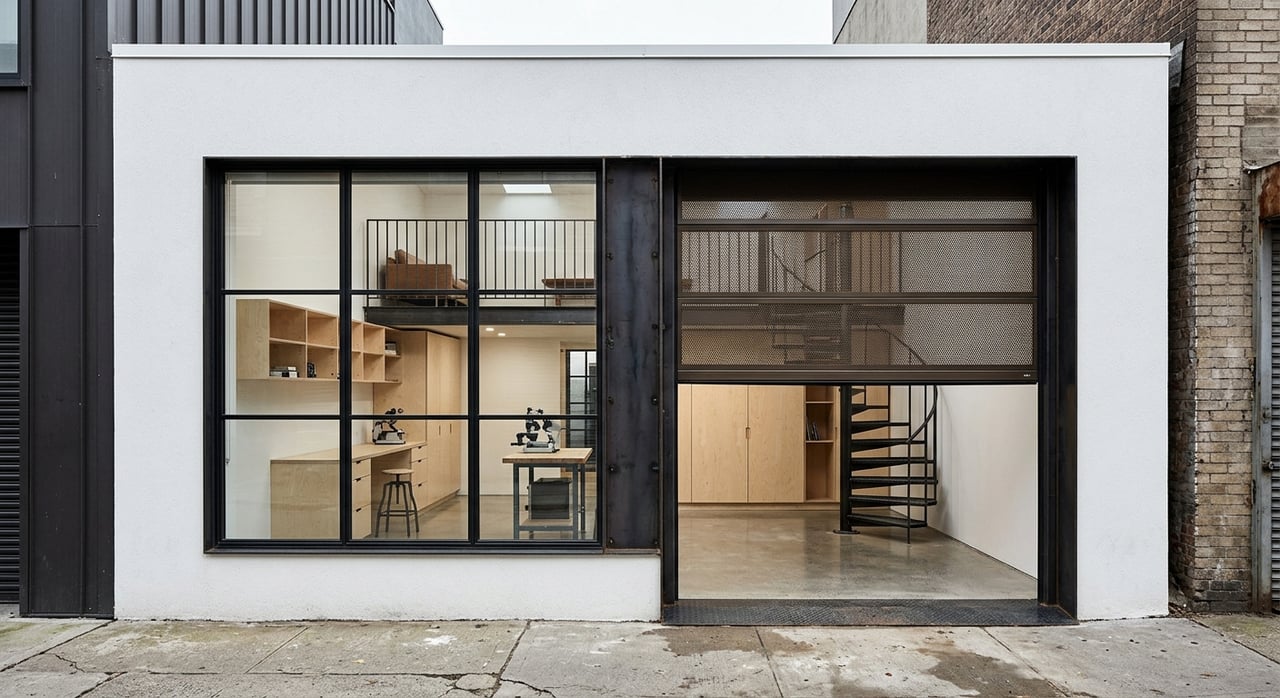
One of Wynwood’s biggest draws is how naturally living and working can overlap. The district has long leaned into live-work flexibility, and the zoning supports that pattern rather than fighting it.
The NRD zoning framework explicitly allows live-work and work-live uses. That matters if you want a home base that supports remote work, creative work, or a schedule that blends professional and social time in one area.
Current developments reflect that same direction. AMLI Wynwood offers one- to three-bedroom apartments with co-working spaces and private offices, while Wynwood Works has been presented as a mixed-income, mixed-use project with artist lofts curated by Miami Light Project.
Lofts, apartments, and housing mix
If you are picturing detached houses with yards, Wynwood may not match that vision. Housing here is largely made up of apartments, condos, and mixed-use buildings rather than single-family homes.
That shape of the market helps explain the neighborhood’s look and feel. The streetscape, building types, and daily flow are geared toward people who want an urban setup, often in studio or one-bedroom spaces, with some larger units available in newer properties.
RentCafe’s Wynwood market data reports that about 75% of households are renter-occupied. In other words, Wynwood is clearly more renter-heavy than owner-heavy, which can be helpful to know if you are comparing it with more ownership-oriented neighborhoods nearby.
What prices look like in Wynwood
Wynwood pricing can vary depending on the property, building age, unit size, and the data source. Still, the general range is fairly consistent and gives you a useful starting point.
Based on the research provided, rentals generally fall from the mid-$2,000s to the mid-$5,000s per month depending on size. RentCafe reports average rents of $2,659 for studios, $3,067 for one-bedrooms, $4,209 for two-bedrooms, and $5,523 for three-bedrooms, with an overall average of $3,461.
For buyers, typical sale pricing trends roughly from the high-$500,000s to around $700,000, with newer or larger units often above that range. Realtor.com’s Wynwood overview reports a median home sale price of $692,000 and a median rent of $3,498 per month.
Walkability and daily convenience
A big part of Wynwood’s appeal is that many everyday destinations are close together, especially in the core around NW 2nd and 3rd avenues. Galleries, restaurants, bars, murals, and event spaces cluster in a way that makes walking a practical part of daily life.
The Wynwood district map and brochure reinforces that point, and it is one reason the area attracts residents who want a more connected routine. If you enjoy being able to step outside and move through the neighborhood on foot, Wynwood offers a strong version of that experience.
That said, walkability does not mean it feels quiet or suburban. Foot traffic, events, and late-night activity are all part of the package, especially in the most active sections of the district.
Getting around without relying on a car
Wynwood’s central location makes a car-light routine realistic for many residents. If you are comfortable combining public transit, bike share, and rideshare, you can often get around without depending on a personal vehicle for every trip.
According to Wynwood transportation information, the City of Miami Trolley’s Wynwood route stops at Wynwood Walls on NW 2nd Avenue and runs weekdays and Saturdays from 6:30 a.m. to 11:00 p.m., with no Sunday service. Metrobus Route 2 also serves the area, and downtown Metromover stations connect riders to the Miami-Wynwood Route.
The same source also notes four Citi Bike stations, Freebee rides, and on-street Pay-by-Phone parking. For you, that means short local trips can be easier than in a more car-dependent district, though drivers should still expect street parking and congestion during busy event times.
Art and nightlife are part of daily life
In Wynwood, arts and nightlife are not side features. They are a central part of the neighborhood identity. That is great if you want an area with built-in activity and regular things to do close to home.
Wynwood Art Walk takes place monthly on the second Saturday and is presented as an open-air arts-and-culture experience where galleries, museums, food and drink, and nightlife come together. It gives the district an event calendar that residents can enjoy without much planning.
On the nightlife side, the same source notes that Oasis Wynwood advertises weekly live performances and outdoor nightlife, with hours running until 2 a.m. Sunday through Thursday and 3 a.m. on Friday and Saturday. If you like having entertainment close by, that can be a major plus. If you prefer a quieter evening environment, it is something to weigh carefully.
Green space and recreation nearby
Even in a dense urban district, access to parks still matters. In Wynwood proper, Roberto Clemente Park is the main public park.
The City of Miami park listing places Roberto Clemente Park at 101 NW 34th Street and describes it as an accessible recreation center with after-school programming, seasonal camps, arts and crafts, and sports leagues. That gives residents a useful neighborhood option for recreation and open space.
If you want a larger green-space change of pace, Grapeland Park is another accessible option a short trip west of the district. For many residents, that mix of an in-neighborhood park plus nearby larger park access helps balance out Wynwood’s built-up environment.
Who Wynwood fits best
Wynwood tends to work best for people who want home, work, dining, art, and nightlife clustered together. If you are drawn to an urban routine and do not need a traditional house-centered neighborhood, it can be a compelling fit.
It may especially appeal to buyers, renters, and relocation clients looking at condos, apartments, or mixed-use living in greater Miami. The neighborhood’s structure supports a lifestyle built around convenience, creativity, and being close to activity.
At the same time, it is smart to go in with clear expectations. Street-based parking, event traffic, and a lively atmosphere are part of the tradeoff for walkability and culture.
How to approach a move to Wynwood
If you are considering Wynwood, focus on your daily habits first. Think about how often you work from home, how much space you really need, whether nightlife nearby feels like a benefit or a drawback, and how comfortable you are with an apartment- or condo-oriented market.
It also helps to compare your budget against the neighborhood’s common rental and purchase ranges before you start touring. That way, you can narrow your search to buildings and unit types that support both your lifestyle and your finances.
If you want help sorting through Wynwood condos, rentals, or live-work options in the broader Miami market, The Tello Team brings a hospitality-driven, client-first approach to buying, selling, and leasing. Whether you are relocating, investing, or planning your next move in South Florida, the right guidance can make the process much smoother.
FAQs
Is Wynwood walkable for daily living?
- Yes. The core around NW 2nd and 3rd avenues is especially walkable, with galleries, restaurants, bars, murals, and event spaces close together, according to the Wynwood BID brochure.
Does Wynwood support live-work living?
- Yes. Wynwood’s NRD zoning explicitly allows live-work and work-live uses, and some current developments include co-working, offices, or artist-loft components.
What does it cost to rent in Wynwood?
- A practical rental range is roughly the mid-$2,000s to the mid-$5,000s per month, depending on unit size, with studios generally lower and larger units higher.
What does it cost to buy in Wynwood?
- Typical sales appear to range from the high-$500,000s to around $700,000, with newer or larger units often priced above that.
Is Wynwood more renter-heavy or owner-heavy?
- Wynwood is more renter-heavy. RentCafe reports that about 75% of households in the area are renter-occupied.
Are there parks in or near Wynwood?
- Yes. Roberto Clemente Park is the main public park in Wynwood, and Grapeland Park is a nearby option west of the district.
Is nightlife a major part of Wynwood living?
- Yes. Monthly events like Wynwood Art Walk and late-night venues such as Oasis Wynwood make nightlife and entertainment a visible part of the area’s lifestyle.